Most organizations don’t struggle with strategy because they lack ideas. In fact, most teams are rich with vision, insight, solutions and ambition. The real challenge begins after the strategy is formed and it’s time to implement.
That’s where even the best strategies start to unravel.
Across sectors—public, nonprofit, and private—we consistently see the same pattern:
Leaders invest time in developing thoughtful strategic initiatives. The plan is clear at the top. The goals are compelling. And yet, months later, progress is uneven. Timelines slip. Energy fades. And teams begin to question whether the strategy was realistic in the first place.
But the issue is rarely the strategy itself.
It’s the gap between intention and coordinated action.
In our work with organizations, several challenges show up again and again:
If resources are available, and in most cases, they are, the real differentiator becomes alignment.
Successful implementation depends on one key principle:
People don’t commit to what they don’t help create—and they don’t execute what they don’t understand.
This means shifting from a model where strategy is developed by a few and handed off to many…to one where implementation is co-designed by those responsible for carrying it out.
Organizations that consistently implement well tend to focus on five key practices:
One of the most effective ways to think about implementation is through the lens of a symphony.
A strategic initiative is like a complex piece of music. It involves multiple players, each bringing a different skill set. Timing matters. Balance matters. Coordination matters.
Leadership, in this context, is not about playing every instrument.
It’s about conducting.
An effective leader:
They don’t do the work for others—they make it possible for the work to happen together.
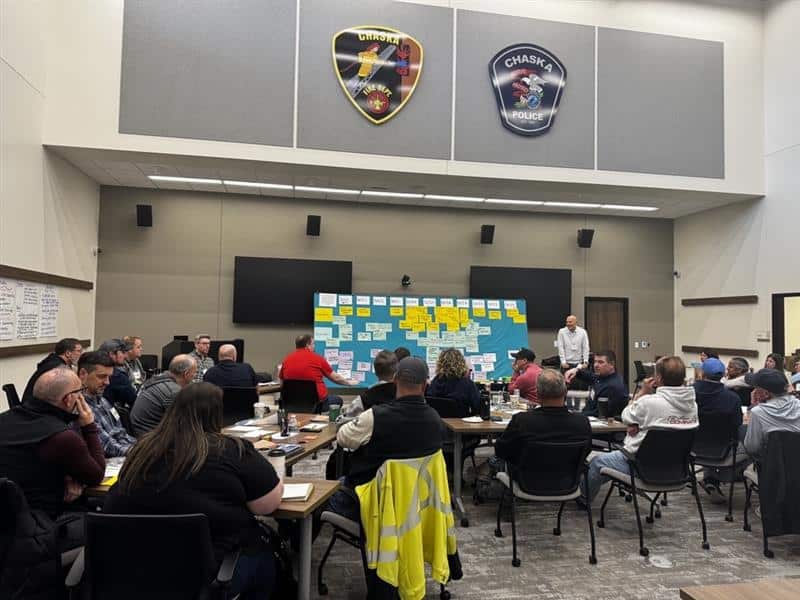
The City of Chaska offers a powerful example of what disciplined implementation looks like in practice. This year marked 18th year of our partnership with the City of Chaska. Every year the leadership team consistent of City council, department directors and most recently including second in charge for each department, comes together to review their strategic directions, revisit their goals, and assess their state of the affairs. Consistently Chaska invests two full days for this experience. City manager, Matt Podhradsky makes it a priority to ensure that the team is aligned, efforts move forward, and elected officials understand the hurdles and barriers that need to be removed. This annual retreat is not so much about progress reports and updates, it’s about learning and reflecting on what is working, what is worth pursuing and what needs to be revisited or, reenvisioned. In this case, strategic planning and designing implementation process are one of the same.
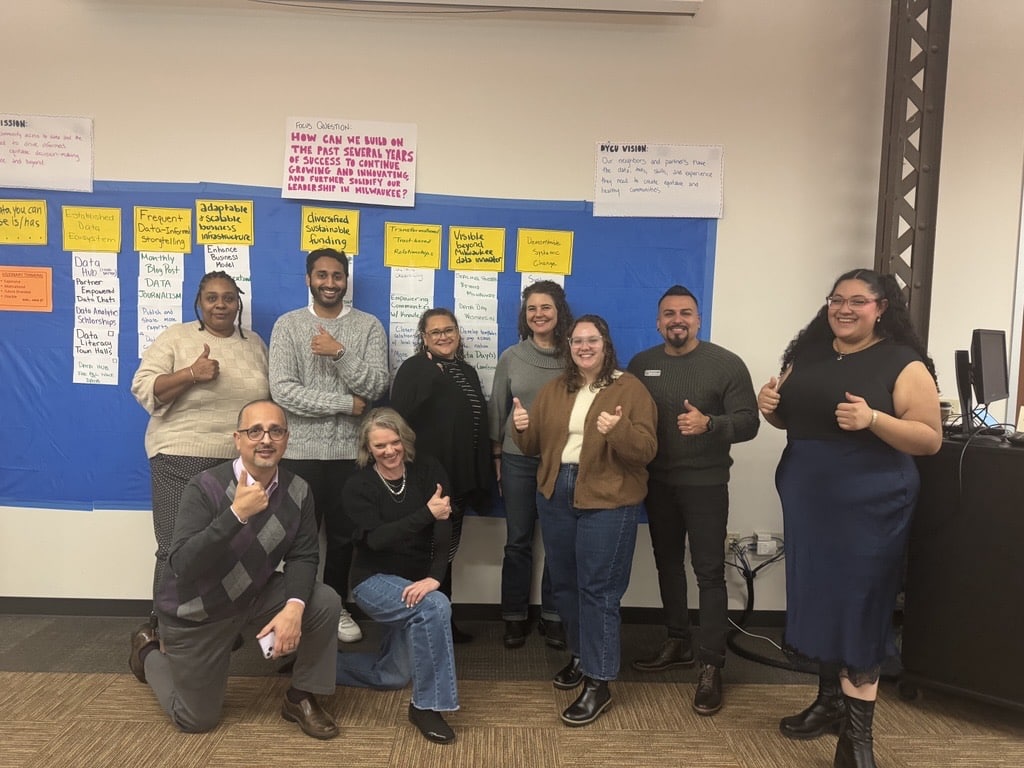
Data You Can Use is one of more recent additions to our book of work. Through a partnership with Non Profit Management Fund, we were able to assist 10 non profits in 2025 with their efforts of strategic planning and implementation. One in particular stood out as an organization that is exceptional at moving ideas into action. Much of their success with implementation is attributed to a discipline of staying focused on few most important initiative. As any small non profit, they have to be mindful of resources and capacity of their small team to execute strategic objectives when day to day work consumes most of their time. And yet, this organization has established clear boundaries and expectations around what it’ll focus on, so that they can show progress and success to their funders and stakeholders , which in return bring more opportunities and resources. The key here is discipline and consistency, says Dr. Victor Amaya , the executive director of DYCU. He was able to grow organization in the last couple of years from just a team of two to a robust and dynamic organization of eight full time and part time employees, sustainable funding and ambitions beyond Milwaukee.
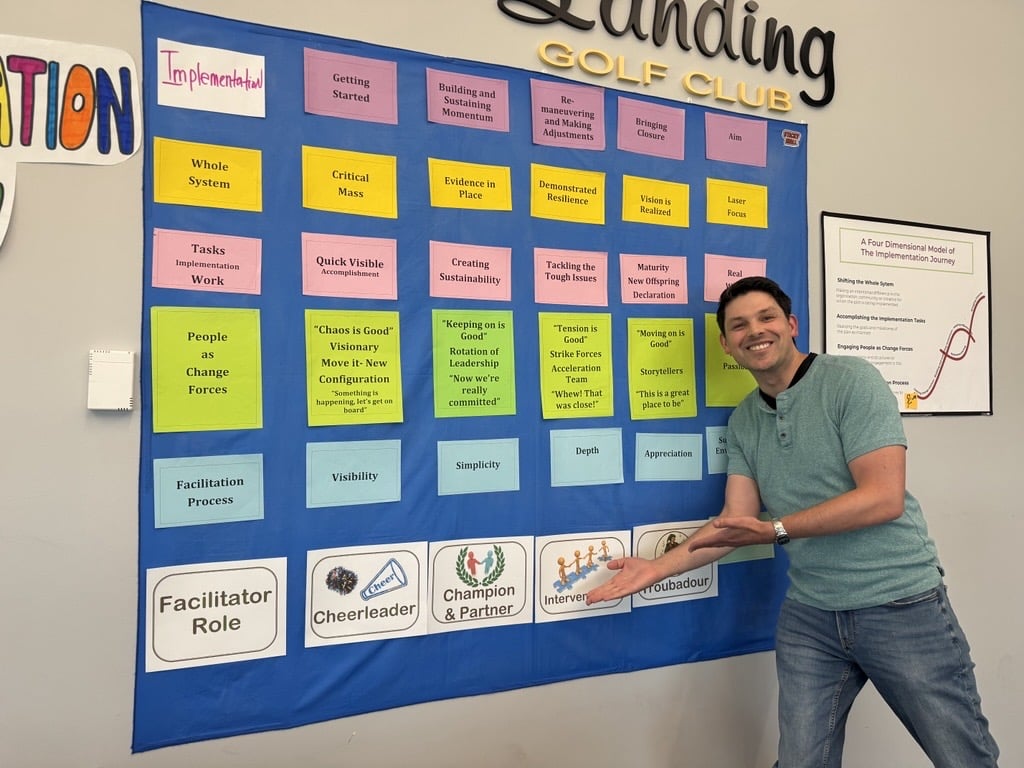
Another example of successful organization that has learned a secret to implementing new initiatives is Northern IL Foodbank. This organization invested in a team of internal facilitators, who’s primary role is to facilitate ideation and adaptation of new practices, initiatives and projects that would advance organizations mission. Greg Stopka is charged with thinking, convening, facilitating and supporting implementation on a daily basis. Greg’s approach and philosophy is unique in that innovation is not one time event or activity, his focus is not so much on holding workshops and seminars to invent new things or ways of delivering service, he is intentional about creating alignment between current practices and desired outcomes, and when there is a gap he is tuning in and inviting conversation. His team is working around the clock so thousands of volunteers keep showing up motivated, engaged, and supported. Because without them the whole system falls apart. Focus on shared ownership and personal responsibility is critical to the success of this organization.
At HueLife, we work with organizations to close the gap between strategy and execution in two key ways:
Facilitation
We design and guide implementation planning processes that engage the right people at the right time: ensuring clarity, alignment, and shared ownership.
Training
We equip leaders and teams with the tools and frameworks they need to lead and sustain these processes themselves.
Because lasting success doesn’t come from external support alone, it comes from building internal capacity.
Strategic initiatives don’t fail because organizations lack intelligence or effort.
They struggle when clarity is fragmented, ownership is unclear, and coordination is left to chance.